
Blog
In the heart of Valencia: Top Tips for Successful Aquaculture

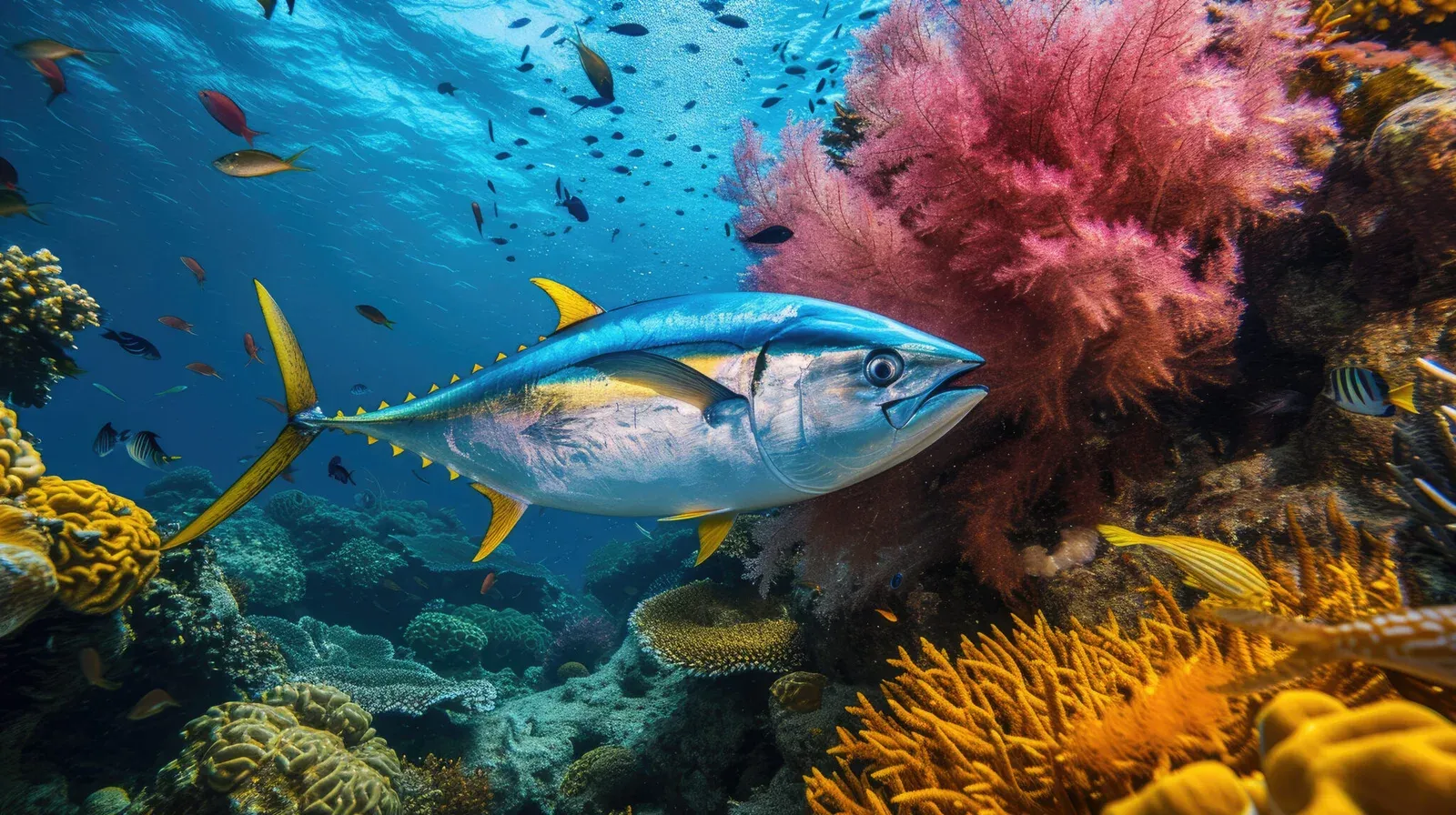
Aquaculture — the farming of fish, crustaceans, mollusks, and aquatic plants — is one of the fastest-growing sectors in global food production. Whether you're starting a small pond in your backyard or scaling up for commercial fish farming, success in aquaculture requires more than just throwing fish in water. It’s a science, a craft, and an art.
In this blog, we’ll explore practical and proven tips for a thriving aquaculture operation that’s both sustainable and profitable.
✅ 1. Start with the Right Site and Water Source
The quality of your water directly affects the health and growth of your fish. Always test your water source for:
pH levels (ideal: 6.5 – 8.5)
Dissolved oxygen
Ammonia, nitrite, and nitrate levels
Temperature compatibility
If using groundwater or borewell water, ensure it's aerated and free from heavy metals or toxins. Avoid stagnant or polluted sources at all costs.
✅ 2. Choose the Right Species
Not every fish suits every location. Choose species based on:
Local climate
Market demand
Water type (freshwater, brackish, or marine)
Growth rate and feed conversion ratio (FCR)
Common profitable fish species include:
Rohu, Katla, Tilapia, Pangasius (freshwater)
Sea Bass, Mud Crab, Pearl Spot (brackish)
Shrimp, Prawns, Pomfret (coastal/marine)
Also, avoid mixing incompatible species in the same pond.
✅ 3. Ensure Quality Seed & Hatchlings
The health of your fish begins with the quality of fingerlings or seed you purchase. Poor-quality seed leads to disease outbreaks, slow growth, and financial loss.
Tips:
Source from certified hatcheries
Inspect for activity and physical deformities
Acclimatize before stocking into your pond
✅ 4. Follow Smart Stocking Density
Overcrowding leads to:
Oxygen depletion
Stress
High mortality
Disease spread
Follow recommended stocking densities:
1 – 2 fish/m² for extensive systems
4 – 6 fish/m² for semi-intensive systems
8 – 15 fish/m² for intensive systems (with aeration and proper feeding)
Understocking, on the other hand, reduces production efficiency. Balance is key.
✅ 5. Maintain Ideal Water Quality
Poor water quality is the number one killer in aquaculture. Regularly monitor:
Dissolved oxygen (minimum 5 ppm)
Temperature
pH
Turbidity
Install aerators or paddle wheels for oxygenation in large ponds. Use water testing kits or digital sensors weekly.
✅ 6. Feed Wisely and Regularly
Feeding is the biggest cost in aquaculture — typically up to 70% of your operational cost. Use high-quality, species-specific feed.
Tips:
Feed 2–3 times a day based on fish size
Don’t overfeed — it pollutes the water
Observe feeding behavior daily
Use feeding trays or floating feed to monitor consumption
Try to source feed with a good FCR (Feed Conversion Ratio) to ensure healthy growth and less waste.
✅ 7. Disease Prevention Over Cure
Fish diseases can spread fast. Prevention is much more effective and economical than treatment.
Basic biosecurity tips:
Quarantine new stock
Avoid sharing nets between ponds
Keep surroundings clean and pest-free
Use probiotics or natural water cleaners
Regular health checks for abnormal behavior, color, or feeding
Have a relationship with a local fisheries vet or diagnostic lab for emergencies.
✅ 8. Harvest at the Right Time
Don’t delay harvest unnecessarily. Overgrown fish may:
Face health issues
Lose weight due to natural cycles
Fetch lower prices in the market
Time your harvest based on:
Growth cycle
Market price peaks
Feed cost vs weight gain efficiency
Use proper nets and minimize handling stress during harvest.
✅ 9. Keep Records of Everything
Maintain a logbook or digital record of:
Water parameters
Feed quantity & schedule
Stocking & mortality rates
Expenses & sales
This helps track performance, plan better, and improve profitability over time. Data-driven farming always wins.
✅ 10. Stay Updated & Keep Learning
Aquaculture is constantly evolving. Join online forums, follow research publications, and connect with fellow fish farmers.
Attend workshops, government training programs, or join associations like:
NFDB (National Fisheries Development Board)
MPEDA (Marine Products Export Development Authority)
Innovation in aquaculture (like biofloc, RAS, and aquaponics) can open new doors.
🌱 Bonus Tip: Think Sustainability
Avoid overuse of chemicals or antibiotics. Use eco-friendly methods, maintain biodiversity, and reduce water usage. Sustainability ensures long-term business viability.
🎣 Conclusion
Aquaculture can be highly rewarding — if done right. These tips provide a strong foundation for both beginners and growing farm operators. Remember: healthy fish, clean water, and smart management lead to higher profits and happier customers.
Need help setting up or optimizing your fish farm?
📞 Contact us today — our aquaculture experts are here to help you grow smarter.