
Blog
A Comprehensive Guide for Beginners and Commercial Farmers

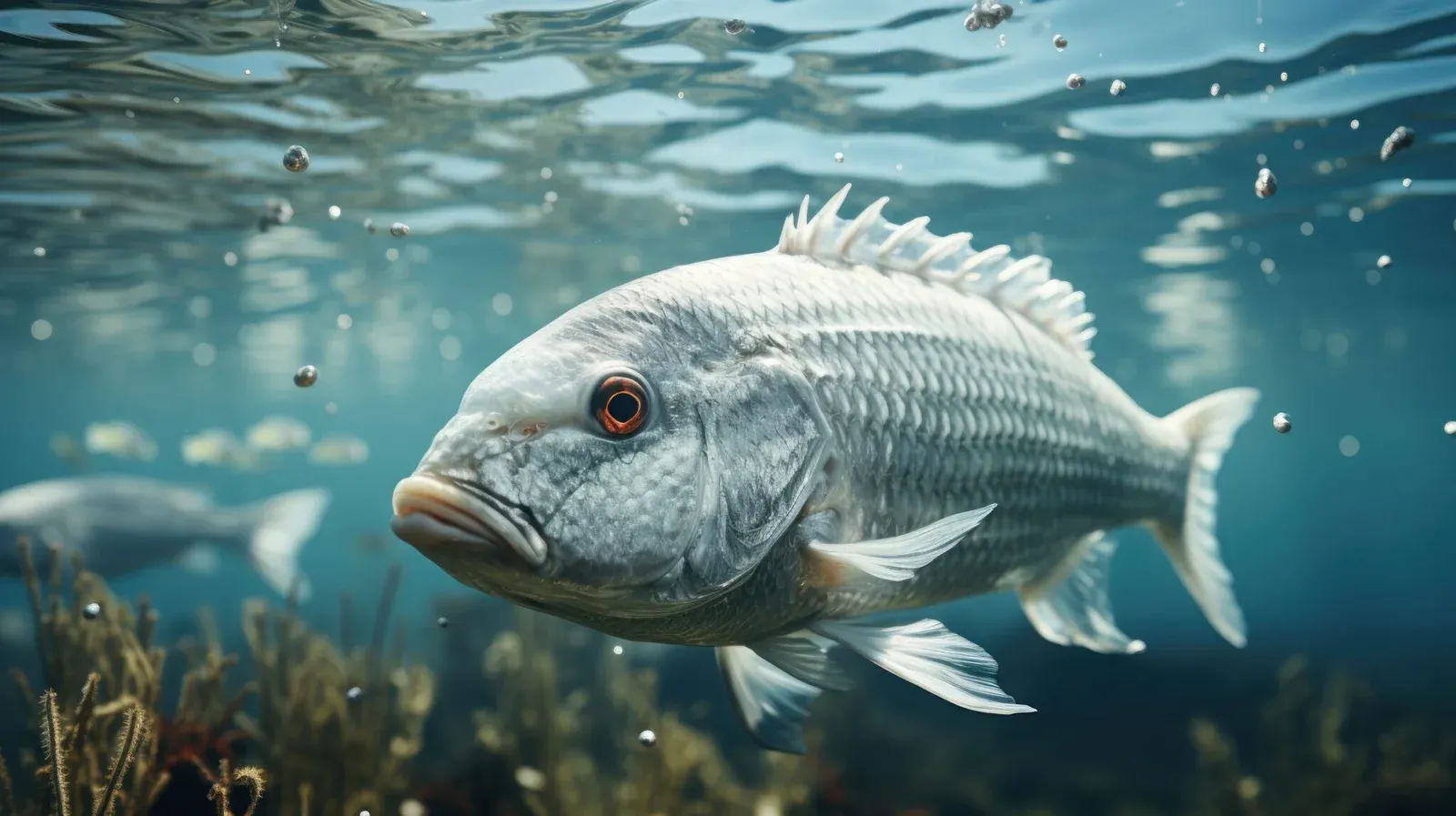
Fish farming, also known as aquaculture, is a rapidly growing industry that contributes significantly to global food security and rural income. With the demand for protein-rich food sources increasing, fish farming has emerged as a sustainable and profitable agribusiness option.
In this blog, we will explore the various fish farming techniques, their advantages, and the factors you need to consider when selecting the right method for your farm.
🌊 What is Fish Farming?
Fish farming is the controlled cultivation of fish in tanks, ponds, cages, or other enclosures for commercial purposes. The goal is to produce fish efficiently and sustainably, ensuring a steady supply for local markets, restaurants, or export.
Common species raised include Rohu, Katla, Tilapia, Pangasius, Grass Carp, Sea Bass, Pomfret, Shrimp, and Prawns.
🔍 Factors to Consider Before Choosing a Technique
Available land and water resources
Fish species
Capital investment
Technical expertise
Market demand
Environmental impact
Climate and location
🧪 Major Fish Farming Techniques Explained
1. Pond Fish Farming
➤ Best For: Freshwater species like Rohu, Katla, Tilapia, Common Carp
Pond farming is the most traditional and widespread method. Fish are raised in dugout or earthen ponds, which may be natural or man-made.
✔️ Advantages:
Low setup cost
Natural feed availability
Easy to manage
⚠️ Challenges:
Water quality can fluctuate
Disease management may be difficult without monitoring
Lower control over environment compared to closed systems
2. Tank (RCC or FRP) Fish Farming
➤ Best For: Urban fish farming, ornamental fish, hatchlings
This involves raising fish in concrete (RCC) or fiberglass (FRP) tanks, often in limited space. It is common for urban farmers or hatchery-based operations.
✔️ Advantages:
Better control of water quality and feeding
Year-round operation
Easy harvesting
⚠️ Challenges:
Higher initial setup cost
Requires constant monitoring and water filtration
3. Biofloc Fish Farming
➤ Best For: Tilapia, Catfish, Pangasius
Biofloc is a high-density, zero or low water exchange system that uses beneficial bacteria to convert fish waste into protein-rich flocs, which are consumed by the fish.
✔️ Advantages:
Minimum water usage
Enhanced growth and survival rate
Lower feed cost due to protein recycling
Eco-friendly
⚠️ Challenges:
Requires technical knowledge and constant monitoring
Needs aeration 24/7
pH and ammonia levels need strict control
4. Cage Fish Farming
➤ Best For: Sea Bass, Tilapia, Pangasius (in lakes, reservoirs, or sea)
Fish are cultivated in floating cages placed in natural water bodies like rivers, lakes, or oceans. Cages are usually made of nets or mesh.
✔️ Advantages:
Utilizes existing water bodies
Low land requirement
High stocking density and fast growth
⚠️ Challenges:
Vulnerable to water pollution and theft
Dependent on waterbody rights and government regulations
5. Recirculating Aquaculture System (RAS)
➤ Best For: High-value fish, urban farming, export-quality fish
RAS is a closed-loop fish farming system where water is filtered and reused continuously. It’s mostly used in commercial, high-tech operations.
✔️ Advantages:
Minimal water usage
Full control over environment
Suitable for indoor farming
⚠️ Challenges:
Very high setup and operating cost
Needs expert supervision
Expensive to scale
6. Integrated Fish Farming
➤ Best For: Rural farms with multiple operations (poultry, crops, livestock)
This technique integrates fish farming with other agriculture or livestock systems. Common integrations include:
Fish + Duck farming
Fish + Paddy (rice field farming)
Fish + Cattle or Goat
✔️ Advantages:
Cost-efficient resource utilization
Natural fertilization
Diversified income sources
⚠️ Challenges:
Requires good planning and resource management
Diseases can transfer between systems
🧾 Comparative Summary Table
| Technique | Setup Cost | Water Use | Maintenance | Space Needed | Skill Level |
|---|---|---|---|---|---|
| Pond Farming | Low | High | Medium | High | Low |
| Tank Farming | Medium | Medium | High | Low | Medium |
| Biofloc System | Medium | Very Low | High | Medium | High |
| Cage Culture | Low | High | Medium | Very Low | Medium |
| RAS | High | Very Low | Very High | Low | Expert |
| Integrated Farming | Low | Medium | Medium | High | Medium |
📈 Which Technique Should You Choose?
| Objective | Best Technique |
|---|---|
| Low-budget, open space | Pond Farming |
| Urban or space-saving | Tank or Biofloc |
| High-volume production | Cage or Biofloc |
| Sustainability-focused | Integrated Farming |
| Export / premium market | RAS or Cage |
🧠 Pro Tips for Fish Farming Success
Always test water quality before stocking
Source healthy fingerlings from certified hatcheries
Keep detailed records of feed, water, and health
Regularly monitor for signs of disease or stress
Focus on sustainable practices for long-term profit
📞 Final Thoughts
Fish farming has the potential to transform livelihoods and ensure food security if approached with the right knowledge and technology. Choosing the right technique is the first step toward success.
Want help starting or optimizing your fish farm?
📩 Contact us today for expert guidance, farm setup, seed supply, and feed support.